
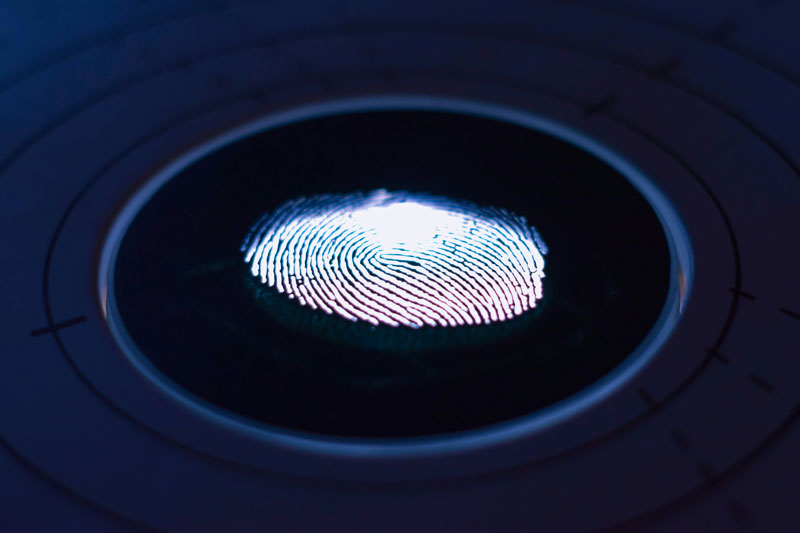
 Biometric security is a standard feature on most smartphones, tablets and laptops. It is a more convenient way to unlock devices and authorize payments than traditional passwords. This innovative technology also introduces a fundamentally different set of security challenges. Passwords can be changed when compromised or as a routine security measure. Your fingerprint or face is a permanent identifier. Balancing risk against efficiency and convenience is essential for protecting privacy and responsibly managing your digital identity.
Analyzing the Technical Advantages of Biometric Authentication
Biometrics are more resistant to traditional cyberattacks than conventional passwords. A weak password is much easier to guess, brute-force or otherwise access than a fingerprint. With biometrics, there is no need to remember complex passwords and less temptation to reuse the same passwords or record them in insecure notes.
Specialized hardware, like secure enclaves, is often used with biometric security, which isolates the biological data from the rest of an operating system and from any apps. Even if a device is compromised, the fingerprint or facial data remains secured and is never shared or uploaded beyond the enclave.
Evaluating Privacy Vulnerabilities and the Risks of Permanent Identifiers
Reusing passwords is not recommended, but biometrics reuse the same data. You can change your passwords but not your fingerprints or facial geometry. This presents long-term risks for identity theft. There are also concerns about how biometric data might be processed by corporations or governments.
Many consumer devices store data locally, but platforms may sync biometric templates across devices, which increases the risk of compromise. Function creep can see biometric data originally used for security being used for tracking or marketing, even without explicit consent. This is increasingly regulated, but you should still check terms and conditions carefully.
Implementing Hybrid Security Models for Enhanced Device Protection
Biometrics should be one part of a multi-layered defense strategy. As with any single-factor approach, relying on your face or fingerprint alone can be risky. Hybrid models combine biometric convenience with robust passwords. For instance, you should require password entry when a device restarts or for access to sensitive financial applications.
It is also prudent to audit which apps can access biometrics. Limit that access to essential services only to reduce the surface area for attacks. The most sensitive personal data should be accessed only by the most sensitive applications and services. Even with a secure enclave, you should avoid unnecessarily sharing biometric access with third-party software.
Fostering Informed Decisions in an Increasingly Automated Digital World
Evolving biometric security will become more integrated into public life, from airport security to retail transactions. Convenience should not lead to complacency. Stay informed about your rights regarding biometric data, particularly in jurisdictions with strong protections, like the European Union.
Before enabling biometrics, consider whether the convenience is worth the potential risk to long-term privacy. Make intentional choices and use hybrid security models. This allows you to balance the ease and speed of modern technology against maintaining control over sensitive personal data.
Photo by George Prentzas on Unsplash